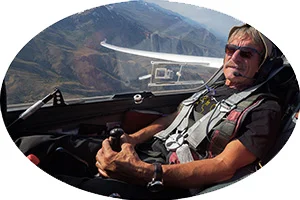
From pioneering scientific expeditions across Alaska to the future of sustainable aviation, we push the boundaries of high-end aerospace engineering. Together with world-record pilot Klaus Ohlmann, we combine advanced technology with the forces of nature to shape the next generation of flight.
Chasing the Wave: The 2026 Trans-North America Expedition
In June 2026, world-record pilot Klaus Ohlmann and his team pushed the boundaries of modern soaring with the Trans-North America Mountain Wave Expedition. Piloting two high-performance Stemme motor gliders, the crew tackled an extraordinary route from the Nevada desert, through the rugged wilderness of British Columbia, all the way to Fairbanks, Alaska.
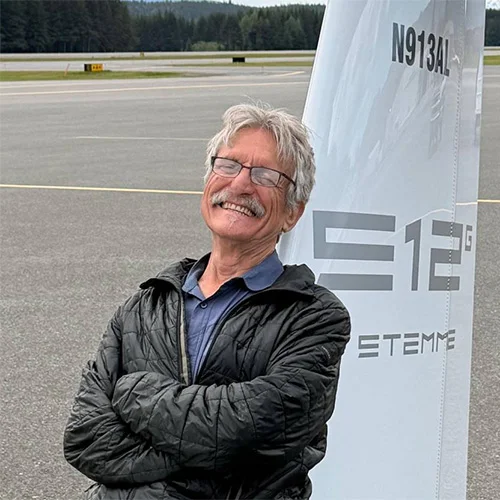
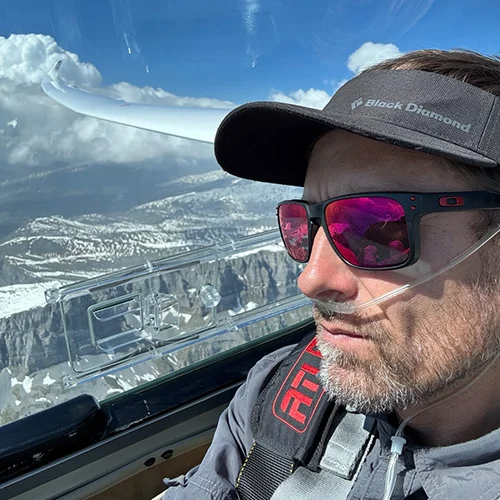
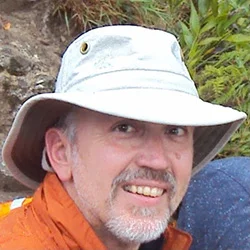
The Expedition Crew
Klaus OhlmannWorld-Record Pilot |
Markus LewandowskiPilot & Explorer |
Doug EastonPilot & Co-Expedition Lead |
Antonio SanchezPilot & Team Member |
Where Aviation Meets Atmospheric Science
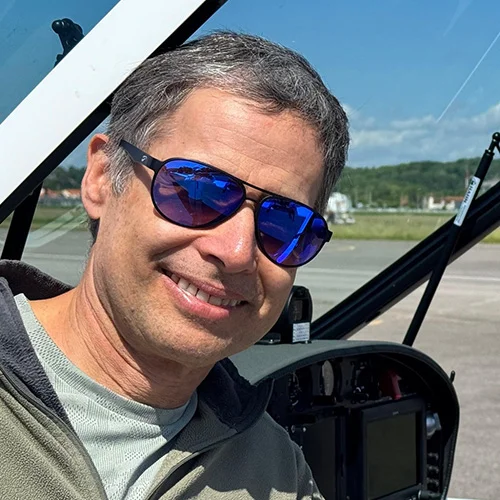
This expedition was designed to bridge elite piloting with crucial climate research. Partnering with the University of Alaska Fairbanks, the team—including Klaus Ohlmann, Markus Lewandowski, Doug Easton, and Antonio Sanchez—gathered high-fidelity weather and turbulence data. Their focus was mapping the powerful, yet poorly understood, mountain lee waves of these extreme northern latitudes.
Pure Soaring Over the Alaskan Wilderness
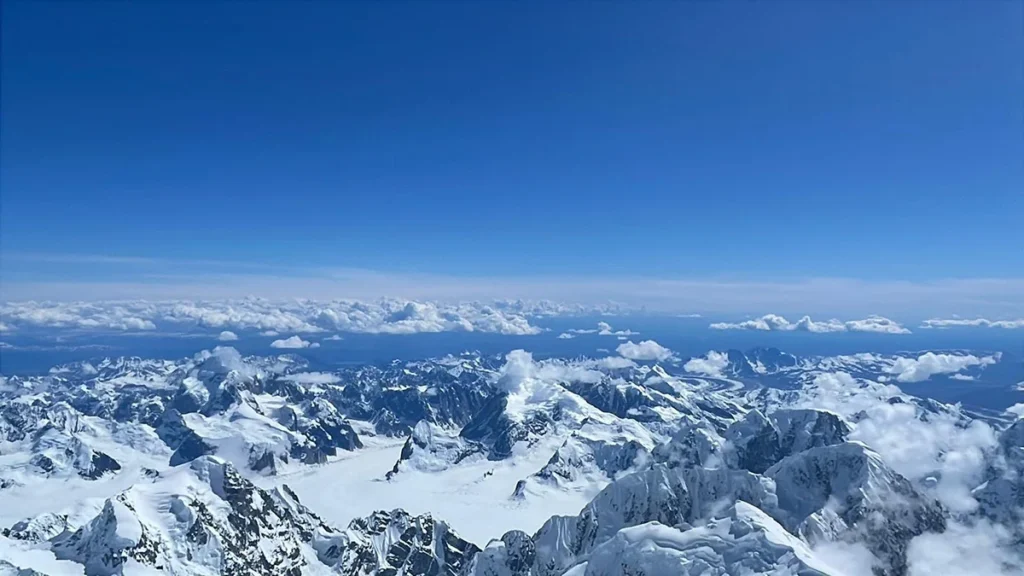
The flight demanded absolute precision. By shutting down the engines and relying entirely on nature’s atmospheric elevators, the pilots rode the massive mountain waves up to altitudes exceeding 18,000 feet.
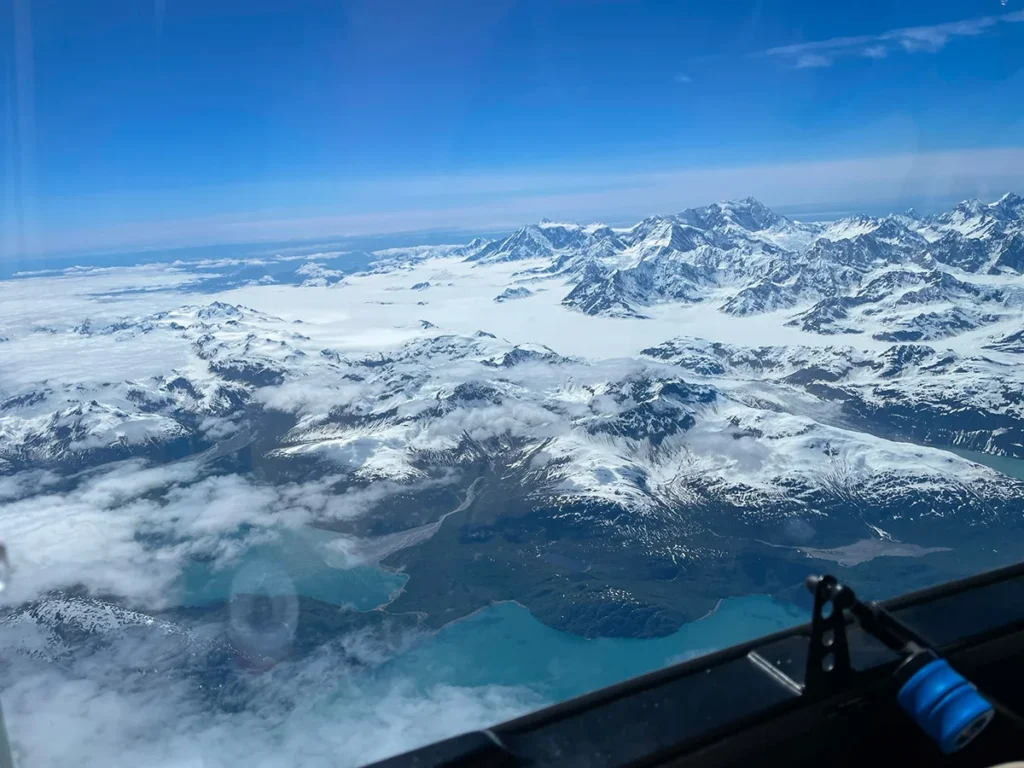
The undisputed highlight of the journey was crossing the majestic Mount Saint Elias in pure glide. Gliding silently over the colossal Malaspina Glacier and the Bagley Icefield, the team demonstrated the unmatched efficiency and capability of the Stemme platform in the planet’s harshest environments.
Pushing the Limits of Sustainable Flight
Reaching Fairbanks marked the successful completion of a masterclass in energy management and atmospheric navigation. The data and insights secured during this Alaskan expedition provide vital input for our ongoing aerospace projects, proving once again that understanding nature is the key to the future of sustainable flight.