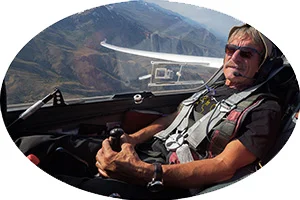
During the 1990s, Klaus set several FAI world records flying the DG-400, cementing its reputation in high-performance aviation.
From 15 Meters to Side-by-Side Superiority: The Engineering Evolution of a Record-Breaker
Long before dominance in the massive wave systems of the Andes became synonymous with the Stemme S10-VT, the foundation for these historic long-distance achievements was laid in the cockpit of a Glaser-Dirks DG-400.
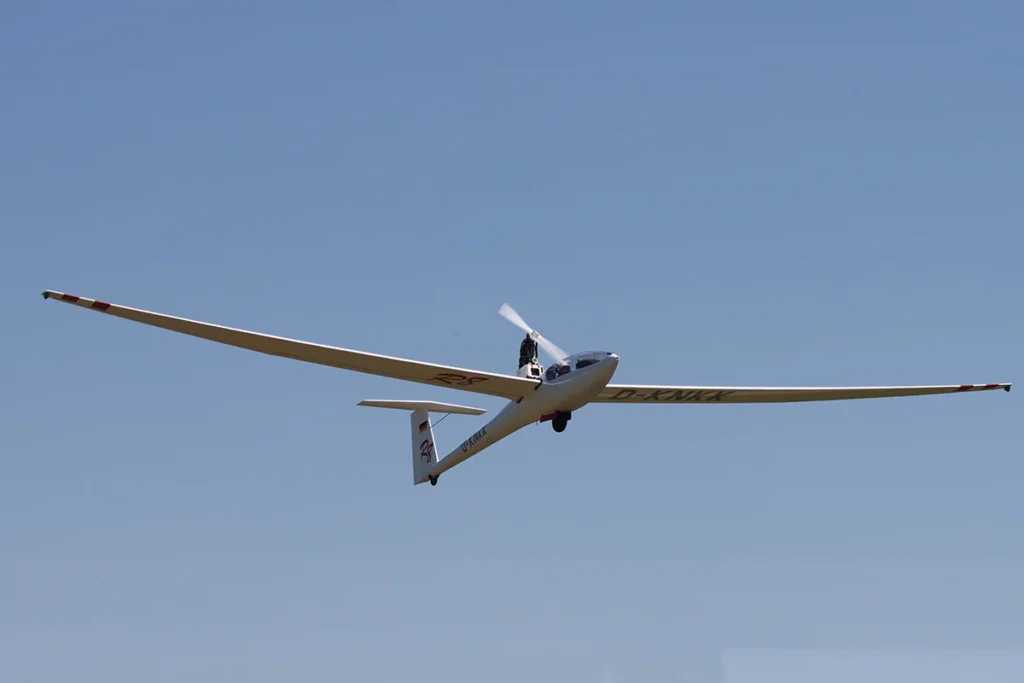
Introduced in 1981 with a 15-meter wingspan and a carbon-fiber wing structure, the DG-400 was a pioneer of the self-launching movement, powered by a 43 hp Rotax 505 engine that mechanically flipped up from the fuselage spine. It was in this precise cockpit that Klaus proved independence from ground crews was the key to unlocking grand-scale distance flying, setting early records that pushed the limits of mid-1980s soaring technology.
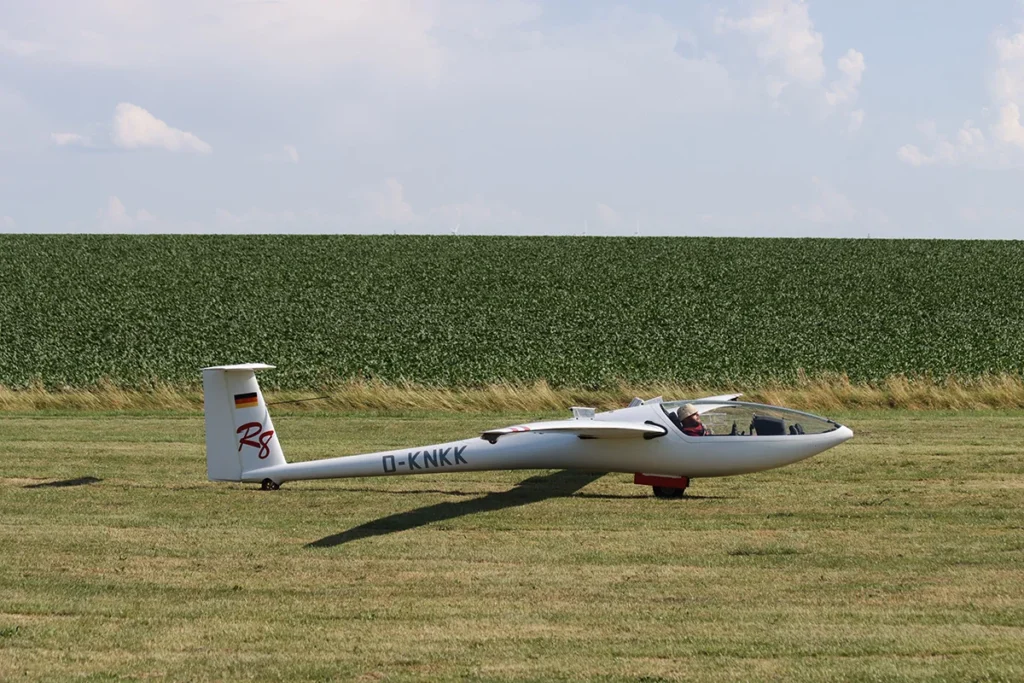
However, transitioning to the Stemme S10-VT in the 1990s was not just a change of aircraft—it was a massive technological leap into a new class of aviation. Replacing the drag-heavy, spine-mounted engine configuration, the Stemme introduced a mid-fuselage, turbocharged 115 hp Rotax 914 engine connected to a revolutionary, retractable variable-pitch nose propeller hidden completely inside a moving sleek nose cone.
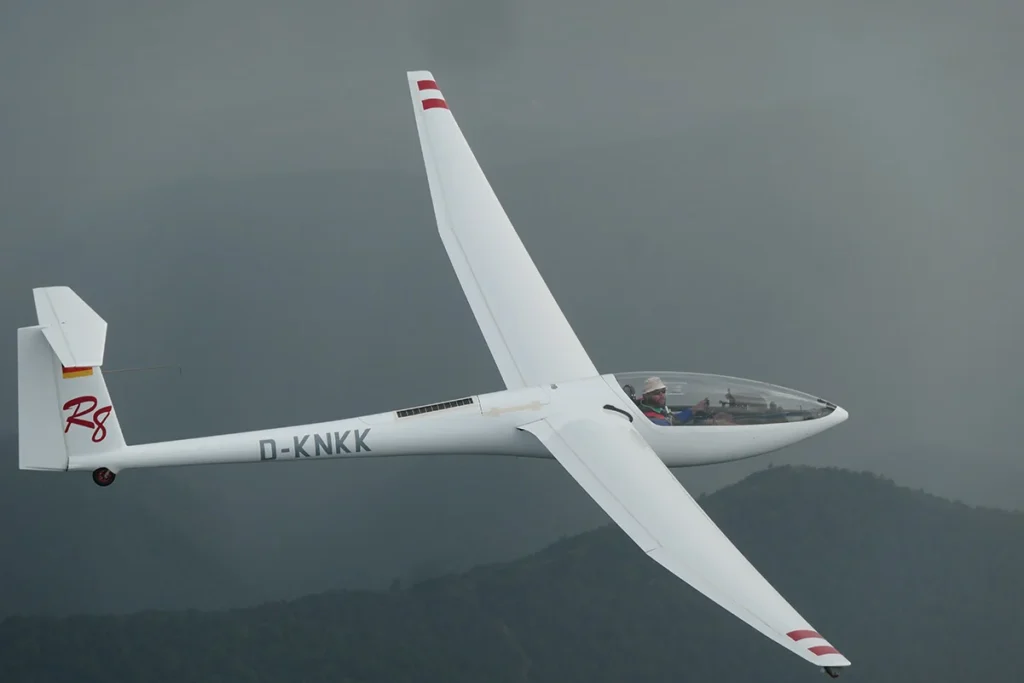
With its massive 23-meter wingspan, side-by-side cockpit, and a glide ratio jumping from the DG-400’s 45:1 to a staggering 50:1, the S10-VT allowed Klaus to transition seamlessly from a high-speed cross-country cruiser to an ultimate, ultra-efficient wave-soaring machine. The raw, early record runs in the DG-400 paved the structural and tactical way for this modern masterclass, turning pioneering ambition into an era of undisputed global records.
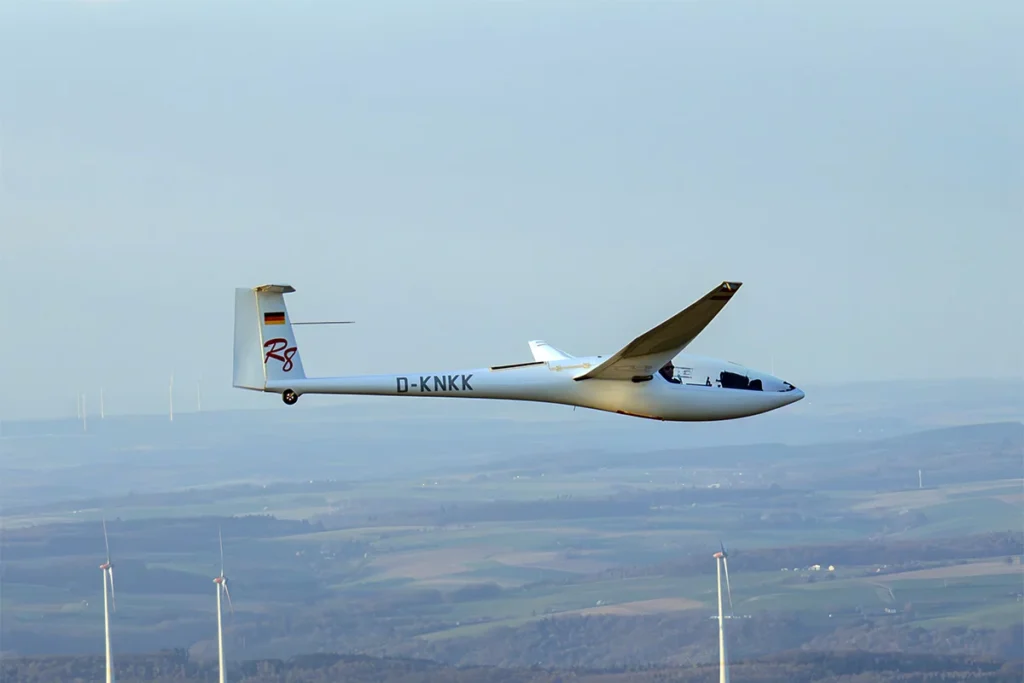
Tech Comparison: The Stepping Stones of Flight
Wingspan: 15 meters
Glide Ratio (L/D): | 45:1 | 50:1 |
Engine Type: 43 hp Rotax 505 (Two-stroke, naturally aspirated) | 115 hp Rotax 914 F (Four-stroke, turbocharged)
Propeller System: Retractable vertical pylon (Spine-mounted) | Foldable, variable-pitch (Hidden inside nose cone)
Cockpit Layout: Single-seat, tandem style Two-seat, side-by-side
Cruise Speed (Power): ~130 km/h Up to 259 km/h (TAS at 10,000 feet)