
The Brightest Beacon in Aviation History: How Citroën Lit the Way for Lindbergh’s 1927 Transatlantic Victory.
The Real Story Behind the Eiffel Tower Advert During Lindbergh’s Historic Flight (1927)
Yes, this is a true historical fact—not a myth.
1. The Giant Citroën Billboard (1925–1934)
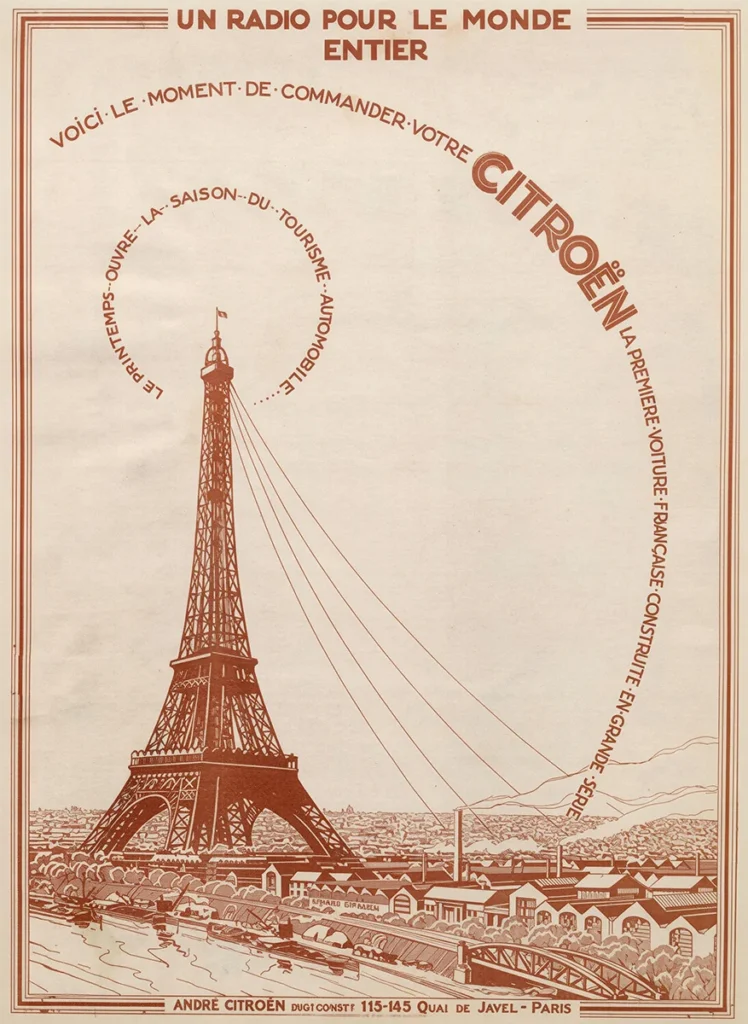
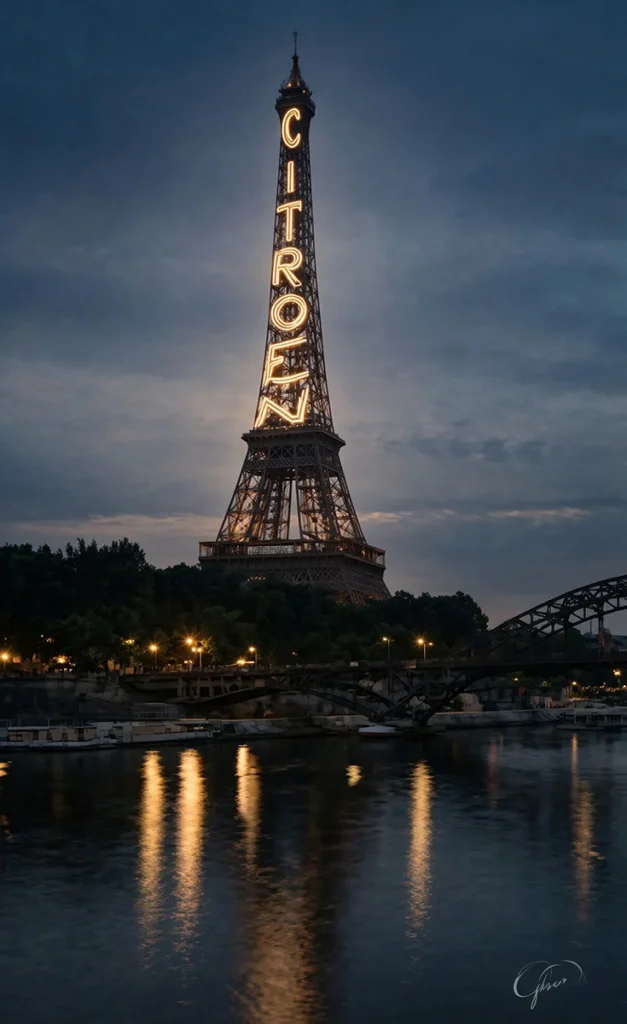
From 1925 to 1934, French automaker André Citroën used the Eiffel Tower as a massive illuminated advertisement. Designed by lighting designer Fernand Jacopozzi, the name “CITROËN” was spelled out in lights across three sides of the tower.
-
Scale & Tech: It utilized over 200,000 lightbulbs and roughly 100 kilometers of cabling.
-
Visibility: The installation was so bright it could be seen from up to 40 kilometers (25 miles) away.
-
It was officially recognized at the time as the largest neon-style advertising sign in the world.
2. A Crucial Navigation Aid on May 21, 1927
When Charles Lindbergh approached Paris late on the night of May 21, 1927, after more than 33 hours of continuous flight across the Atlantic, navigating in total darkness was a critical challenge.
-
The Beacon: The blazing Eiffel Tower—illuminated with the Citroën lettering—served as a massive visual landmark, allowing Lindbergh to instantly identify the position of Paris from the air.
-
From there, he was able to orient his flight path directly toward Le Bourget Airfield, located just a few miles northeast of the city center, where he safely landed.
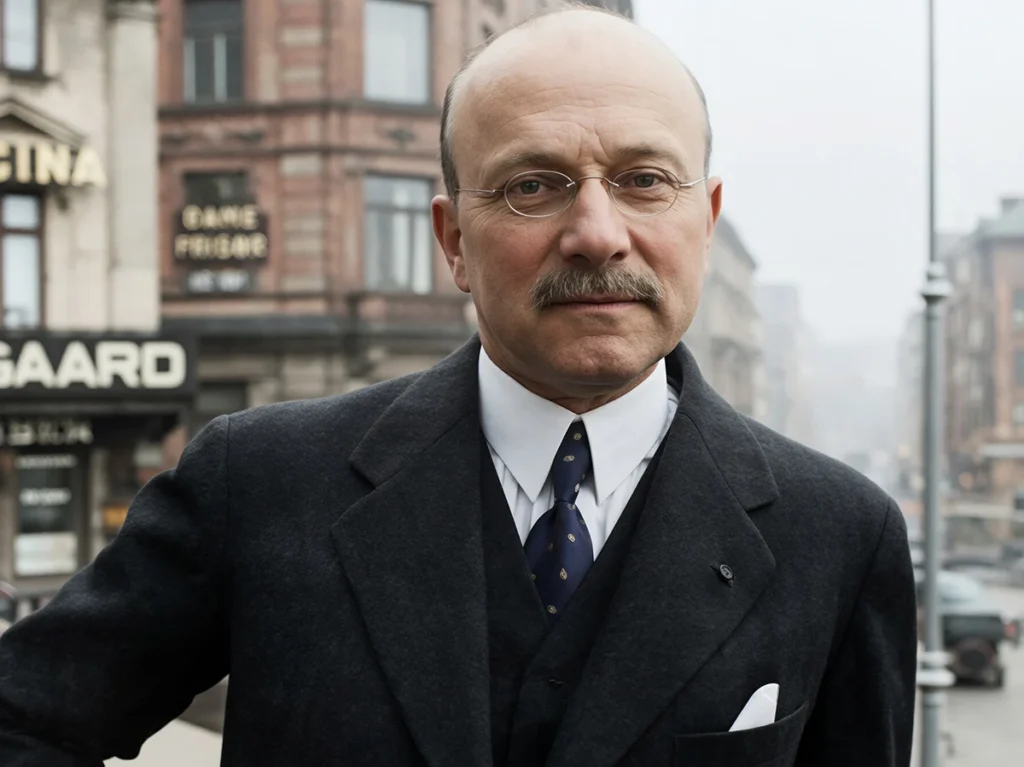
French automaker André Citroën
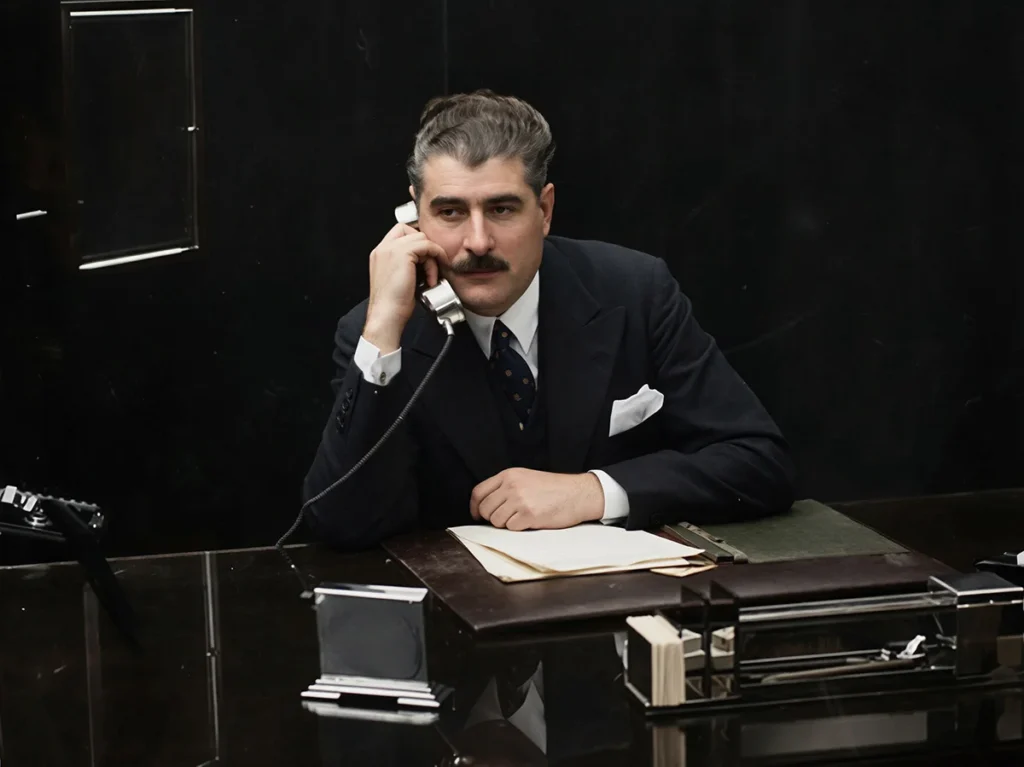
The designer of this unique Eiffel Tower advert: Ferdinand Jacopozzi
3. The Aftermath
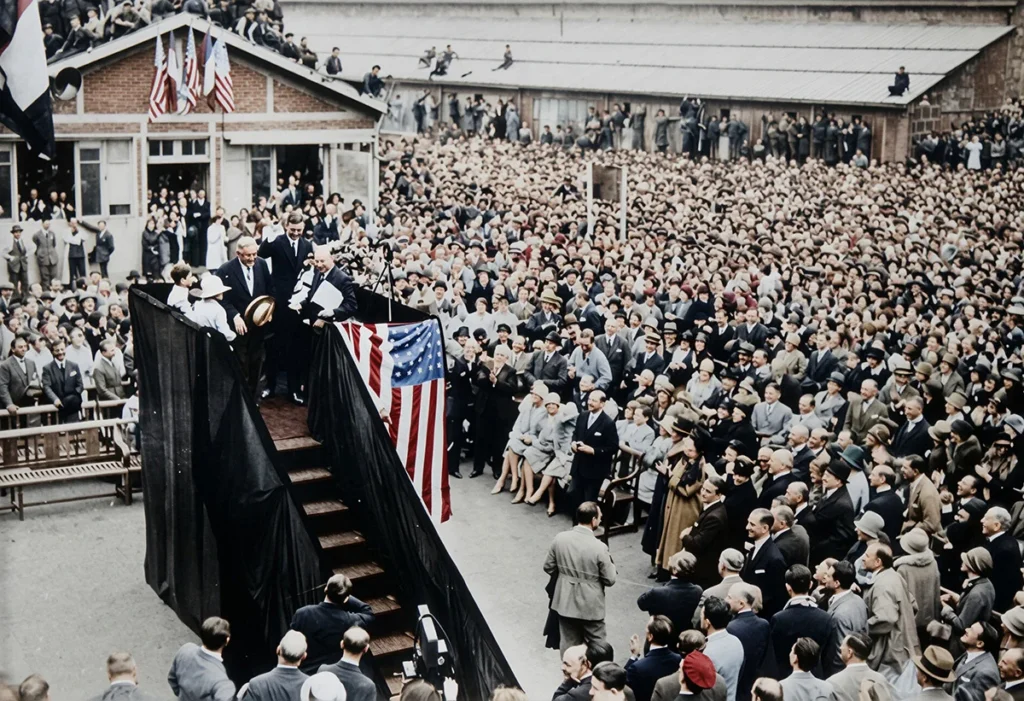
André Citroën quickly seized the public relations momentum: just days after the landmark flight, he invited Lindbergh to visit the Citroën factory at Quai de Javel to celebrate the historic achievement with thousands of factory workers.